Welcome to my homepage!

My name is Donghan Fu, and I am a Ph.D. student in the School of Information Science and Learning Technologies (SISLT) at the University of Missouri-Columbia (MU). I’m currently a member of the Technology to Enhance Learning Lab (TELL) led by Dr. Xinhao Xu. My research sits at the intersection of Human-Computer Interaction (HCI), Human-Artificial Intelligence (AI) Interaction (HAII), and AI for health promotion and STEM education. I am especially interested in how generative AI reshapes the ways people communicate, understand, and learn STEM content, and how AI can help address health challenges related to depression and women’s health.

My work follows two interconnected strands.

(1) Human-AI interaction for health. I design and study applications that support mental health and women’s health, including for pregnant people. I combine MR/XR with large language models to focus on the communication process, use advanced approaches to analyze its psychological dynamics, and examine how people make sense of both illness and AI.

(2) AI-enhanced learning and analytics. I investigate how learners engage with AI-powered educational tools such as conversational teaching agents. By capturing and interpreting the multimodal data generated in these interactions, I aim to advance learning analytics and evidence-based design.

By integrating emerging media technologies with psychological frameworks, my goal is to diagnose real-world challenges in health promotion and science learning, then design generative-AI solutions that improve communication and educational effectiveness.

I hold a Ph.D. in Communication from Beijing Normal University (BNU), during which I was a visiting scholar in the Department of Communication Arts at the University of Wisconsin–Madison in 2024. I earned an M.A. in Journalism and Communication from Wuhan University (WHU), as well as dual bachelor’s degrees: a B.S. in Chemistry from Central China Normal University (CCNU) and a B.A. in Advertising from WHU. Prior to joining SISLT at Mizzou, I worked as a postdoctoral researcher at WHU from 2024 to 2025.

Beyond my academic pursuits, I am deeply committed to hands‑on design—from developing applications to driving AI‑powered product innovation—and to uncovering learners’ nuanced needs to guide ongoing product refinement. Ultimately, my work aims not only to push forward the fields of learning analytics and AI for science education but also to forge strong industry partnerships that tackle the real challenges learners face. I warmly invite colleagues and collaborators from academia, industry, and educational institutions to connect and explore opportunities together.

You can find my CV here: Download My CV

❤️‍🔥❤️‍🔥 Motto: Girls can be great scientists—and they can pursue their dreams at any stage of life.

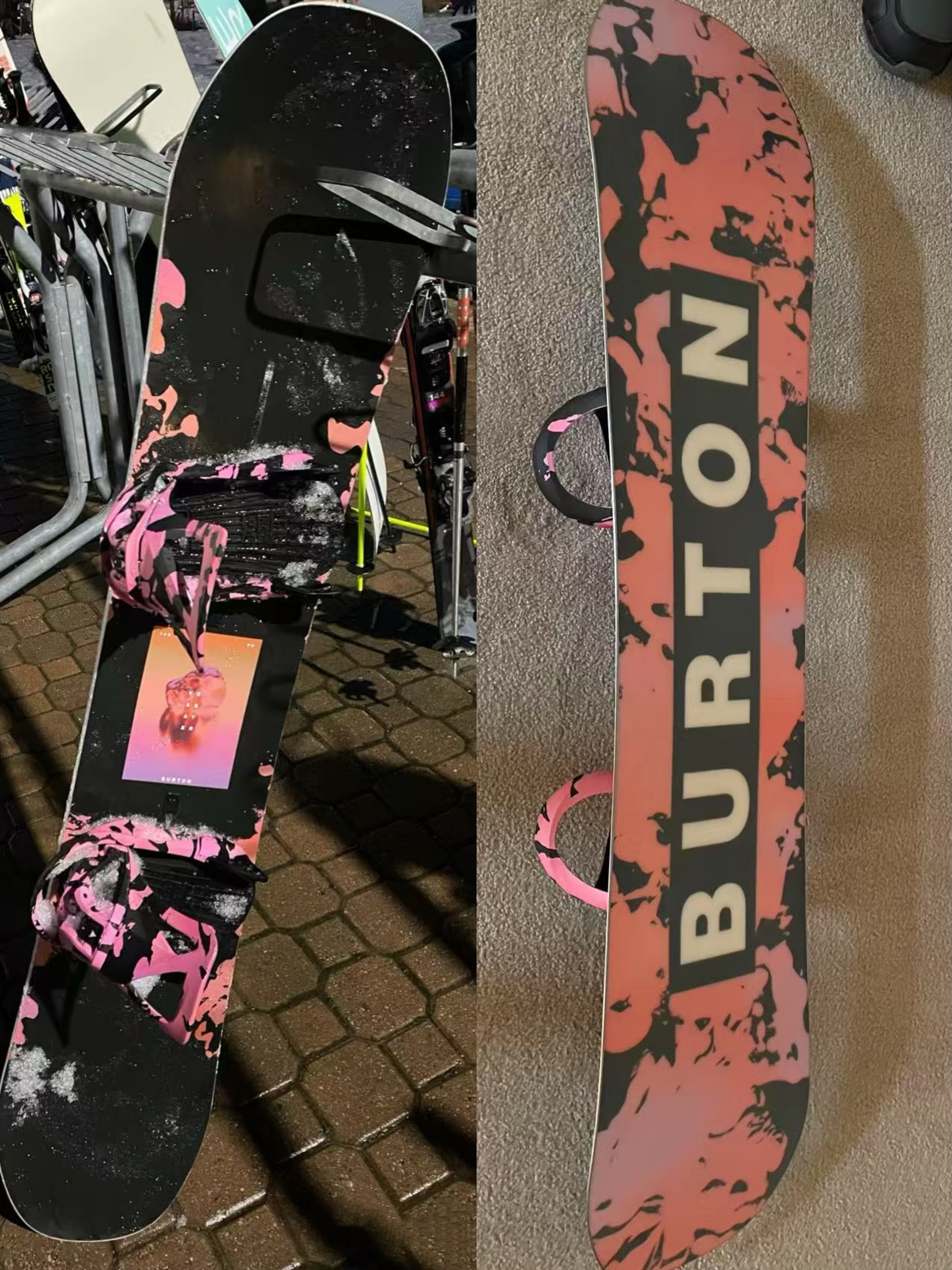
In my spare time, I love snowboarding🏂🏻 and dream of visiting and riding at all the most iconic ski resorts around the world.
snowboard

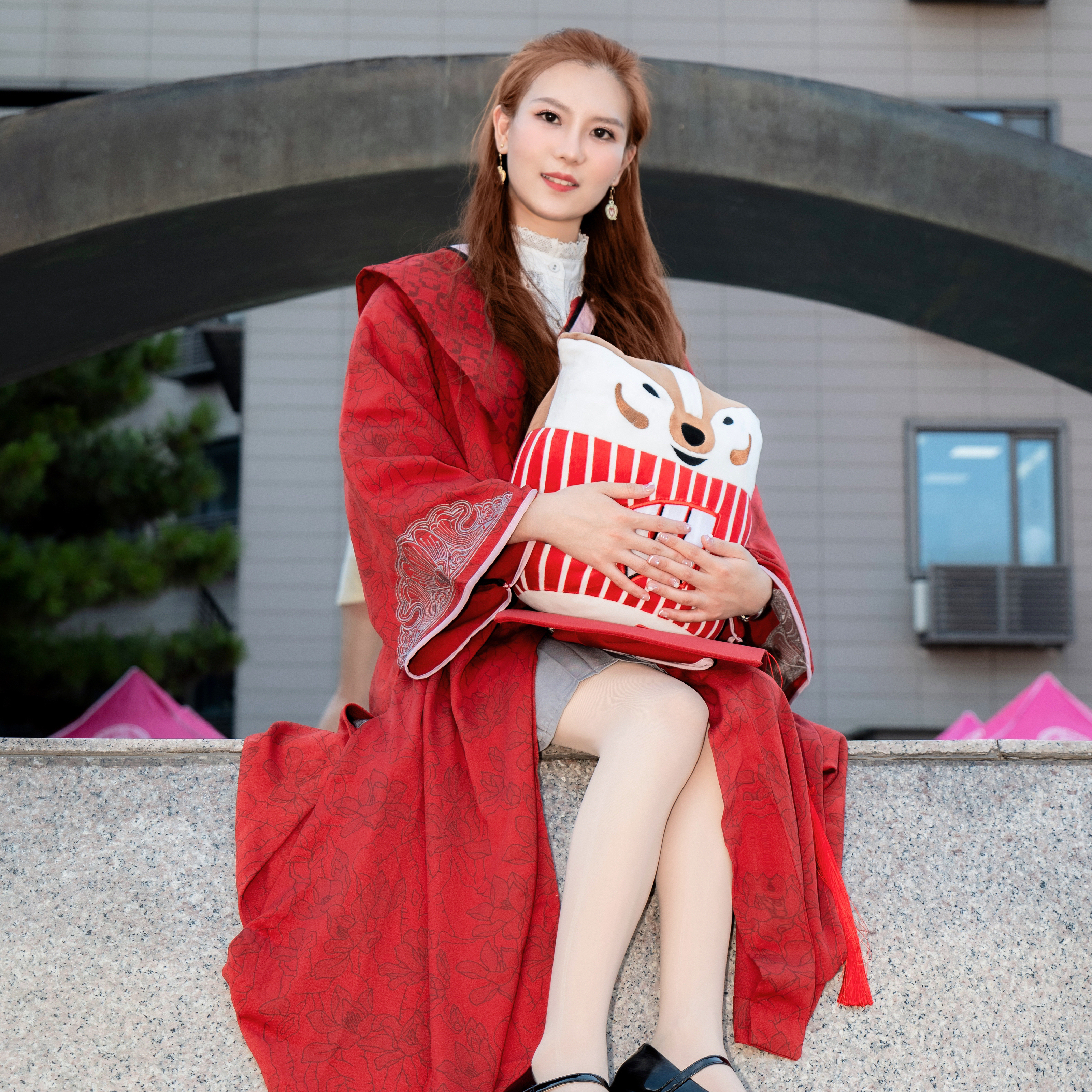
My very first snowboard was bought in Madison—it marked the start of my snowboarding journey.

🔥 News

  • 2026.07: 📃📃 The paper that I co-led, “Time2Reflect: A Multi-Agent AI System for Scaffolded Post-Class Reflection in STEM Graduate Education,” was accepted by the 2026 Association for Library and Information Science Education (2026 ALISE).
  • 2026.07: 📋📋 My paper was accepted by the 112th National Communication Association (NCA), and I will attend it in Nov in New Orleans!
  • 2026.06: 🎉🎉 My co-authored paper on “digital illness narrative of young adults with diabetes on Chinese social media” was published online in the Journal of Medical Internet Research! This project builds on my continuing interest in illness management and health promotion.
  • 2026.05: ❤️‍🔥❤️‍🔥 I was honored to join the Missouri State Health Assessment (SHA) team as a research assistant, working alongside faculty in public health. This project marks my first engagement with community-based public health and statewide research.
  • 2026.05: 🎉🎉 My co-authored paper on “Public Interest in Generative AI-Driven Journalism Innovations for Personalization” was finally published online in Journalism Studies.
  • 2026.01: 🎉🎉 My paper “How Audiences Respond to Emotional Propaganda in Chinese Short-Form Videos” was online in the Issues & Studies, ResearchGate.
  • 2026.01: 📃📃 Two of my papers have been accepted to the Kentucky Conference on Health Communication (KCHC 2026), where I will present my work in Kentucky on April 2–4, 2026.
  • 2025.10: ✍🏻✍🏻 I’m thrilled to share that my recent work on serious games and mental health education was published online today in the Asian Journal of Communication.
  • 2025.10: 🎉🎉 My paper received the Top Student Paper Award from the Game Studies Division of the National Communication Association (NCA).
  • 2025.08: 🎉🎉 I’m excited to begin my second Ph.D. in the SISLT at MU!
  • 2025.04: ✍🏻✍🏻 My recent article on digital media and health communication has been published in Health Communication, a top journal in the subfield. Link
  • 2024.09: 🔛🔛 Thrilled to share that I’ve started my first position as a postdoctoral researcher, working with Professor Shiwen Wu at WHU!
  • 2024.06:👏🏻👏🏻 I earned my Ph.D. in Communication from BNU, marking a significant milestone in my academic journey.
  • 2022.08: 🍀🍀 Visiting scholar in Communication Arts at the University of Wisconsin-Madison, collaborating with Professor Lyn Van Swol. This experience was a key turning point in my academic development.

📝 Academic Path

Over the past ten years of my educational journey, I have encountered three pivotal turning points that have shaped the direction of my academic path.

Phase One: From Chemistry to Communication (CCNU → WHU) [2014-2018]

Growing up in a traditional Chinese family, I was encouraged to pursue chemistry at a teacher’s college—a path considered stable and “appropriate” for girls, despite my limited interest and challenges in mathematics. At Central China Normal University (CCNU), I became increasingly aware of gender disparities in STEM: male faculty predominantly held research positions, while female faculty were largely assigned teaching roles. While my chemistry lectures often felt disconnected from practical application, hands-on lab activities, like building molecular models, made learning tangible and engaging. During my teaching internship, I witnessed how rigid, exam-oriented instruction often stifled students’ curiosity, especially among girls.

These disappointing experiences motivated me to transfer from chemistry education to communication studies, aiming to create more supportive STEM learning environments for girls.

learning chemistry

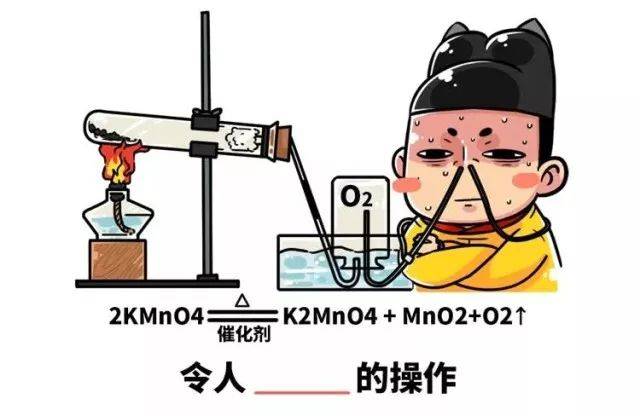
Students often find chemistry boring and hard to learn.

Phase Two: Communication Studies at WHU and BNU [2018-2024]

Recognizing the gap in China’s educational system in integrating STEM with media technology, I pursued a master’s degree in Communication and Media at WHU, followed by doctoral studies at BNU. There, I explored how AI-driven virtual news anchors shape audience engagement and examined the immersive potential of VR/AR in vividly reconstructing global events such as the Syrian crisis.

VRNEWS

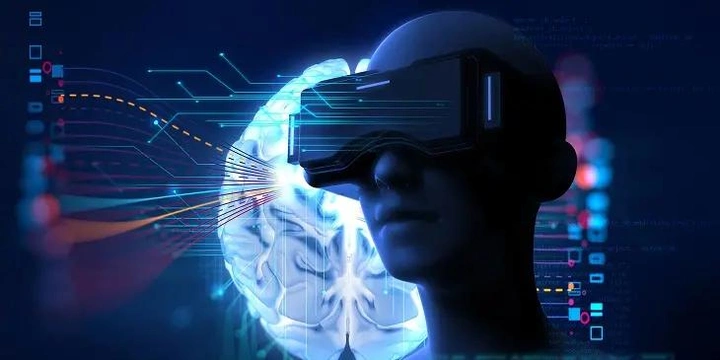
Emerging technologies are changing how people receive and understand information.

These experiences deepened my interest in how emerging technologies can address educational inequalities, particularly in overcoming gender biases and supporting personalized, adaptive STEM learning. From my perspective, theories are not static or abstract; they come alive as we witness technology actively reshaping society. My goal is to bridge communication and media theory with educational practice to drive meaningful, real-world impact.

Phase Three: University of Wisconsin-Madison – A Commitment to Pursuing Higher Education in the U.S. to Empower the Next Generation [2023-]

My time as a visiting scholar at the University of Wisconsin–Madison was a pivotal moment in my academic journey. It was the first time I realized that theory could be engaging and even captivating, reinforcing my belief that science becomes truly compelling when taught through effective and creative methods. Collaborating with research groups that integrated computational approaches with communication studies further showed me how technology can advance both scientific understanding and social impact. This interdisciplinary perspective resonated deeply with my interests—interests that I had found difficult to fully pursue within the more traditional, communication-focused academic environment in China.

Inspired by the transformative power of science and technology in expanding educational access, I chose to pursue my Ph.D. studies in the SISLT at Mizzou. Here, I aim to develop inclusive, innovative solutions that address global educational disparities and empower the next generation of learners.

AI

Harnessing generative AI for advancing science communication and education.

📝 Research

My ongoing projects center on Human–AI Interaction (HAII), investigating both people’s use and perceptions of AI applications and their corresponding impacts, as well as leveraging AI-based design to examine its effects on engagement across multiple contexts, including health and science/education communication.

✍️✍️Selected Published Paper

Broadly, my research sits at the intersection of social psychology and digital media. I examine how discrete emotions, such as anxiety and fear, as well as higher-order emotional experiences like feeling moved and fatigue, shape information practices on social platforms and the social outcomes that follow. I also study health promotion, with a focus on diabetes and mental health, including depression and experiences of psychological emptiness.

1️⃣ Human-AI Interaction

  • GenAI in Journalism
JS 2026
sym

Public Interest in Generative AI-Driven Journalism Innovations for Personalization

Shuang Song,Donghan Fu, *Journalism Studies, 2026

Project

  • Personalization driven by generative artificial intelligence (GenAI) has progressively permeated newswork operations, encompassing news content generation, presentation, distribution, and communicative interaction across four aspects. However, whether these innovations attract the public and what factors count are far from settled. Utilizing cross-national data from the Digital News Report (2025) and the AI Governance International Evaluation Index (2025), this study explores the extent and key predictors of public interest in GenAI-driven journalism innovations for personalization across 34 countries worldwide (N = 54,799). Results show that public interest is moderate overall, with GenAI-driven news summaries being the most favored. At the individual level, news consumption patterns, both active news seeking and incidental news exposure, emerge as positive determinants. At the societal level, AI governance capacity matters more than AI infrastructural transparency, as it operates not only as a direct predictor but also as a contextual condition that amplifies or mitigates the effect that news use patterns have on people’s enthusiasm.

2️⃣ Digital Media and Health Communication

JMIR 2026
sym

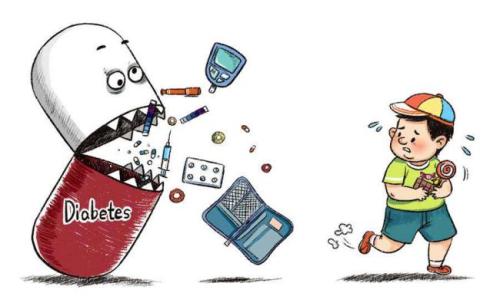
Digital Illness Narratives of Young Chinese Adults With Diabetes on RedNote

Zikun Liu,Donghan Fu,Yingjie Liu,& Ying Meng , Journal of Medical Internet Research, 2026

Project

  • This study examines how young Chinese individuals with diabetes construct illness narratives and negotiate identity in digital environments. This study uses a narrative analysis approach, combining inductive thematic coding with culturally and critically informed interpretation. A total of 303 narrative posts were collected from RedNote, a Chinese social media platform characterized by diary-like user-generated content. The dataset includes both text-based and video-based posts, capturing longitudinal and first-person accounts of living with diabetes.
AJC 2025
sym

Serious Game and Mental Health Education

Donghan Fu,Nansong Zhou,& Zikun Liu, Asian Journal of Communication, 2025

Project

  • This study focuses on serious games and mental health education, integrating theoretical perspectives from digital games, narrative, and depression literacy. The dominant Western diagnostic frameworks often fail to reflect Chinese sociocultural understandings of depression, leading to limited public awareness despite rising prevalence among young adults. Using the Asia-based serious game prototype The Room of Depression, this study explores how lifelike narratives and visually aesthetic design can foster empathy and improve mental health literacy. Analyzing pre- and post-game reflections and play logs, we observed a shift from stigmatizing, macro-level attributions of depression toward more normalized views and greater recognition of treatment options. The findings highlight the potential of serious games to support mental health education, while also pointing to challenges in delivering nuanced content, reducing social distance, and maintaining engaging playability.
HC 2025
sym

Chinese Parents’ Online Narratives of Juvenile Diabetes

Donghan Fu,Zikun Liu,& Yingjie Liu, Health Communication, 2025

Project

  • This study shifts the focus from a patient-centered approach to examine how a child’s illness shapes parents’ sense-making. We analyzed 14 narrative posts from Xiaohongshu, where parents shared daily experiences of raising a child with diabetes. Using Communicated Narrative Sense-Making (CNSM) theory and reflexive thematic analysis, we identified four interconnected themes shaped by socio-ecological roles. Our findings contribute to CNSM theory by: (1) expanding its scope to public digital narratives, (2) showing how family storytelling operates across individual, family, and cultural levels—especially under Chinese cultural norms, and (3) revealing how online narratives support coping and reshape parental identity in the digital age.
ASB 2024
sym

Dating App Use and Health Outcomes

Along He, He Bu, Wenlong Mu, Donghan Fu,& Chen Chen, Archives of Sexual Behavior, 2024

Project

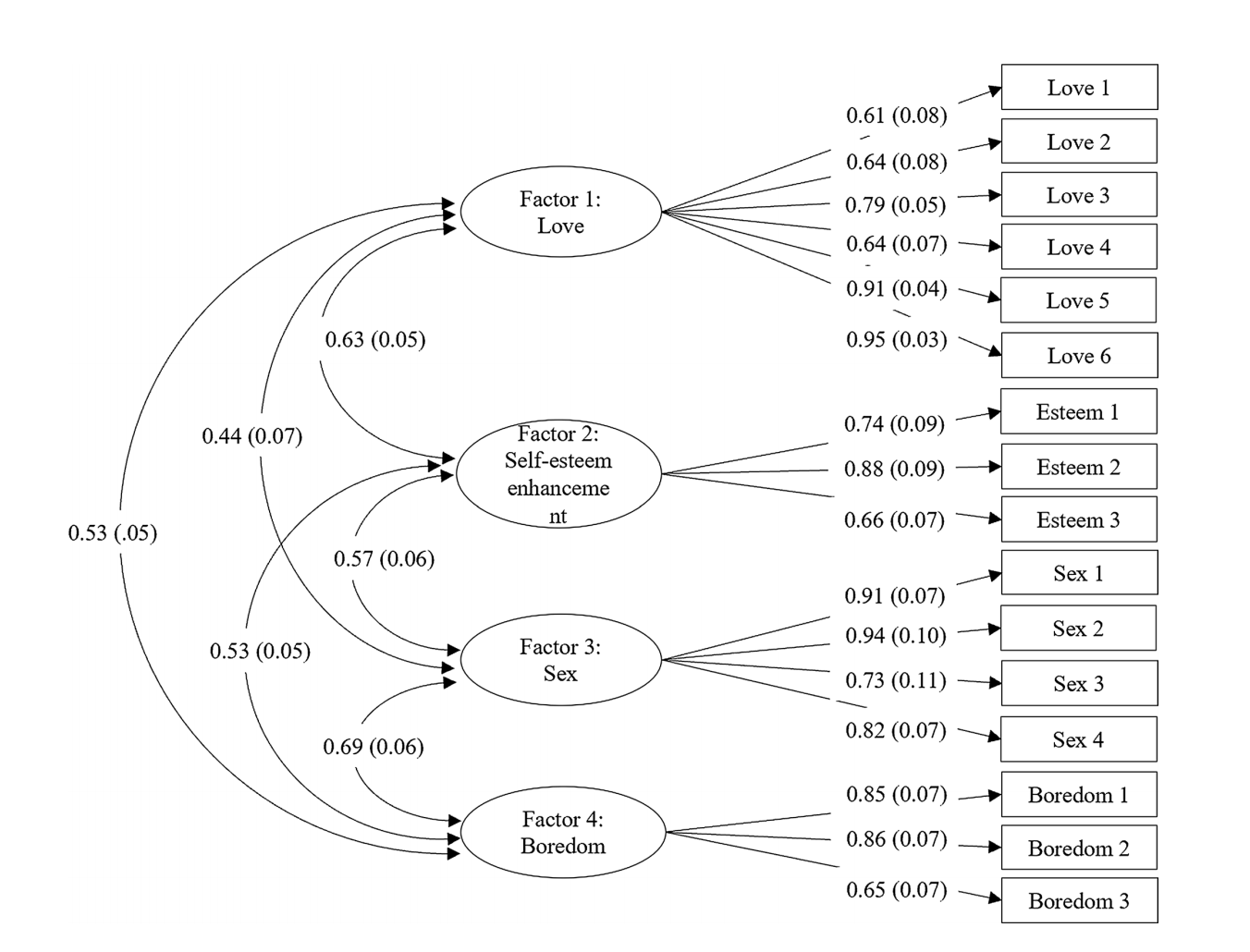
  • While the use of gay dating apps (GDAs) has proliferated in China, research on their potential effects on health outcomes—particularly mental health—among gay and bisexual men remains limited. GDA use is driven by diverse motivations, and understanding these motivational profiles may offer a crucial starting point for examining the varied effects of GDA use on health-related outcomes. This study conducted a cross-sectional survey assessing GDA use motivations alongside health variables, including condom use frequency, self-stigma, and subjective emptiness. While no causal conclusions can be drawn from the data, the findings suggest that mental health outcomes—such as subjective emptiness and self-stigma—may affect individuals differently depending on their underlying motivational orientation for using GDAs.

3️⃣ Emotions in Digital Interaction

I&S 2026
sym

Audience Reactions to Emotion-Driven Propaganda in Chinese Short Videos ResearchGate

Donghan Fu, Issues & Studies, 2026

Project

  • Fcous: Feeling Touched
  • This research examines “touchingness,” an advanced and often overlooked emotional state that is frequently mobilized in Chinese soft propaganda, using semi-structured interviews with 32 young adults (18–35). The analysis reveals a tension between compliance and resistance, shaped by cultural context, individual experience, and platform features such as algorithmic recommendations and the affordances of short videos. Three audience–authority relationship types emerge: co-construction, compromised adaptation, and opposition.
AJSP 2024
sym

Interpersonal Electronic Surveillance in Romantic Relationships

Yiting Bai, Donghan Fu,& Lyn Van Swol, Asian Journal of Social Psychology, 2024 (Corresponding author)

Project

  • Focus: Anxiety
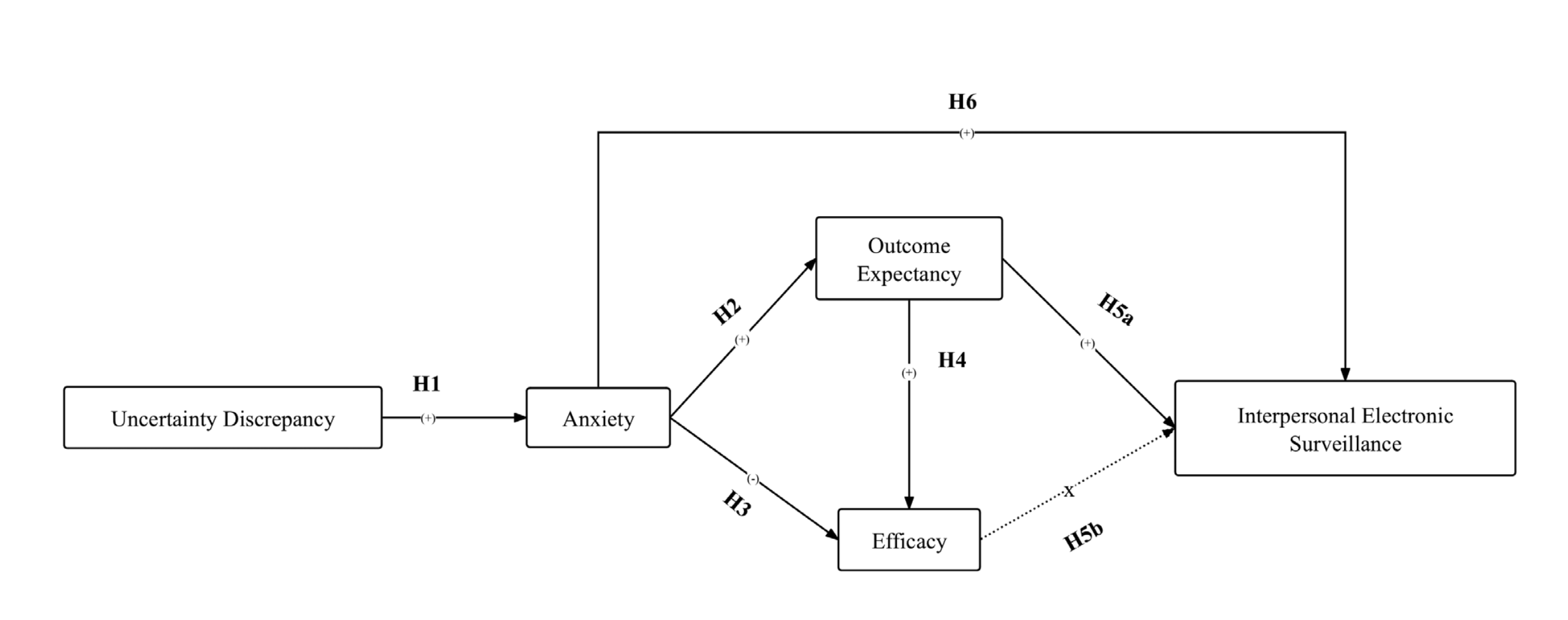
  • This paper revises the Theory of Motivated Information Management (TMIM) and generally supports its utility as a framework for understanding information-seeking decisions (IES) within romantic relationships. First, by applying TMIM to the management of relational uncertainty, we contribute to a limited body of research (e.g., Afifi et al., 2004; Tokunaga & Gustafson, 2014) that extends TMIM beyond health-related contexts to interpersonal and family settings. Second, we propose a new interpretation of outcome expectancy and efficacy influences on IES, suggesting that efficacy does not significantly affect information-seeking. Third, we identify a differential valence effect of anxiety: while anxiety is positively associated with outcome expectancies, it is negatively associated with efficacy in the context of romantic relationships.

🔛🔛Works In Progress

  • 3D VR-Based Clinic Visit Training for Nursing Students

Project overview: We developed a series of AI conversational agents, each designed with distinct human-like personas to simulate realistic patient interactions. All conversations took place in a fully immersive virtual reality (VR) environment, with the goal of supporting nursing students’ clinic visit training through interactive, scenario-based practice.

  • Immersive VR Lab Training Assisted by an AI Conversational Agent as Facilitator

Project overview: This study applies the latest VR technology to design a state-of-the-art engineering lab training session, the immersive virtual reality lab (iVRLab). Within this VR environment, we also developed an AI facilitator to answer students’ questions and support their learning experience during lab-based training.

  • CAVE VR for Meteorology Undergraduate Courses Scaffolded by AI Peer Students

Project overview: In this CAVE-based VR environment, undergraduate students learn meteorology concepts while interacting with an AI peer integrated into discussion sessions. The AI peer actively asks questions and participates in dialogue to scaffold peer-assisted learning and promote learning through teaching.

💟 Service

  • Journal Peer Reviewer

    Health Communication

    Information, Communication & Society

    Journal of Broadcasting & Electronic Media

    Frontiers in Public Health

    Frontiers in Psychology

    International Journal of Urban Sciences

  • Conference Peer Reviewer

    The International Communication Association (ICA)

    The National Communication Association (NCA)

💬 Teaching Assistant Experience

  • 2026.08, Inquiry into Transforming Learning with Technology (ISLT 2300), University of Missouri (2026 Fall)

💬 High School Teacher Internship

  • 2017.07-2018.04, High School Chemistry, Wuhan University Affiliated High School (2017 Fall-2018 Spring)

  • Taught Chemistry to three classes of 11th-grade students

  • Graded student assignments and provided personalized feedback to encourage proactive questioning during office hours

  • Participated in creating exams for monthly, mid-term, and final assessments to align with curriculum objectives

💜💜 Guest Lectures

  • 2025.05, Social Media Journalism, WHU, Invited by Professor Zikun Liu (2025 Spring)
  • 2024.12, Journalism and Communication Theory, Invited by Professor Shiwen Wu(2024 Fall)

  • Prof. Wu taught this course during my master’s studies at WHU. Now, I’ve been invited by him to return and give a lecture, a moment that feels meaningful. I feel incredibly fortunate to come back and work at my alma mater. I have deep affection for WHU—it witnessed my personal and academic growth and marked the beginning of my lifelong academic journey.
cherry

The School of Journalism and Communication is located at the end of Wuhan University’s iconic Cherry Blossom Avenue. (新闻与传播学院坐落在樱花大道的尽头)